Picture this: you open your eyes… and the world you knew has vanished. No cars rumbling outside, no glowing phone screens, no distant ambulance sirens. Just a crushing, cinematic silence and a cold wind slicing through the emptiness. You’re truly alone — every digital lifeline gone. And that primal chill hits you right in the gut, the kind that makes your whole body understand what isolation really feels like.
Yet here’s the bitter truth — you don’t need to cross an ocean to feel that kind of isolation. The same dead, suffocating silence can hit you right at home when a brutal winter storm, a blown substation, or a sudden grid-down blackout wipes out everything familiar. In a split second, your cozy suburban home turns into that same deserted island — dark, cold, cut off from the world. No power, no heat, no signal. Just you… and the kind of quiet that feels almost predatory.
The Science of Vulnerability: Where Did Our Skills Go?
In our everyday routine, we’ve basically outsourced our survival. We handed over our basic autonomy to utility companies, property managers, and automated systems. Modern people are helpless inside their own four walls, hit with full-on technical paralysis the moment something tiny breaks.
Technical Paralysis: Our survival skills have withered from total inactivity. Ask an average homeowner to sharpen a kitchen knife without an electric sharpener, boil water without a stove, make light without electricity, or fix simple mechanics — and you’ll see pure panic.
Ecosystem Fragility: We rely on fragile plastic gadgets and smart devices that snap or die under the slightest stress, blindly trusting that the infrastructure is eternal.
“When the temperature drops to zero and plastic clips start cracking in the cold, all those gadgets turn into useless trash. Real preparedness begins where plastic fails and honest forged steel takes over.”
Table 1: “Tactical Plastic” vs. The “Baseline 10” Analog Core
To understand the difference between marketing hype and true self-reliance, let’s compare two approaches to home preparedness.
| Criteria | “Catalog Gadgets” (Plastic & Electronics) | The “Baseline 10” (Analog Core) |
| Infrastructure Dependency | Total (requires servers, chargers, Wi-Fi, and grids). | Zero (powered entirely by human muscle and leverage). |
| Performance in Freezing Weather | Plastic housings and clips become brittle and shatter in sub-zero temps. | Hardened carbon steel and forged iron maintain absolute structural integrity. |
| Lifespan During a Blackout | Limited by battery capacity (hours to a few days max). | Indefinite, limited only by basic maintenance (wiping, oiling, sharpening). |
| Psychological Impact | Triggers anxiety and panic as battery bars drop to zero. | Builds quiet confidence: “What’s in your hands works, no exceptions.” |
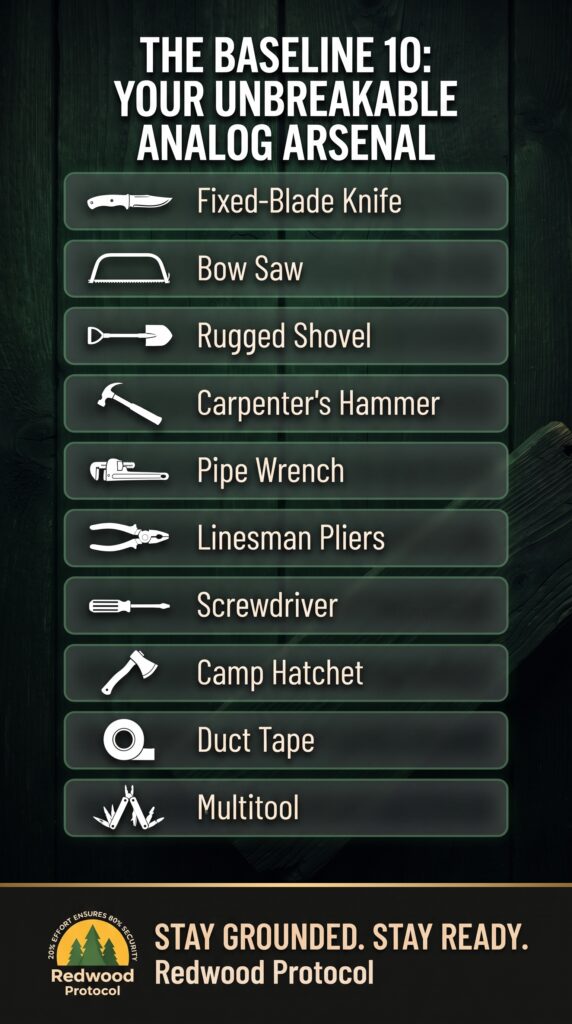
Table 2: The “Baseline 10” Specification & Field Purpose
| No. | Tool | Critical Crisis Function | What to Look For When Buying |
| 1 | Fixed-Blade Knife | The ultimate anchor for heavy chopping, batoning, carving, and utility work. | High-carbon steel only, full tang, thick spine, zero folding joints. |
| 2 | Wood Hand Saw / Bow Saw | Fast, silent firewood processing without dependence on fuel or spark plugs. | Aggressive “samurai-style” teeth, rigid frame, no flimsy plastic handle joints. |
| 3 | Rugged Shovel | Terrain management, water diversion, trenching, and sanitary latrine setup. | Heat-treated steel blade, rock-solid handle connection. |
| 4 | Carpenter’s Hammer | Structural repairs, emergency shelter framing, and driving heavy fasteners. | True forged steel striking head, securely wedged handle. |
| 5 | Adjustable Pipe Wrench | Controlling home infrastructure, shutting off rust-frozen valves, fixing pipes. | Heavy forged iron (at /10 inches or larger), deep jaws for maximum leverage. |
| 6 | Linesman Pliers | Pulling seized bolts, gripping thick wire, and cutting through metal mesh. | Hardened cutting edges, heavy-duty jaws built for high-stress leverage. |
| 7 | Screwdriver Set & Screws | Mechanical fastening and structure reinforcement without a single battery. | Robust steel shafts, secure non-slip grips, assorted wood screws. |
| 8 | Camp Hatchet | Processing kindling, driving stakes, and clearing immediate perimeter brush. | Balanced weight distribution, ergonomic grip, durable edge retention. |
| 9 | Duct Tape & Cordage | Instant patching of blown plastic, wire insulation, and emergency binding. | High-tensile adhesive tape and heavy-duty nylon utility cord. |
| 10 | Multitool | A versatile, pocket-sized backup for fine, on-the-fly mechanical tweaks. | Sturdy pliers, reliable blade, and basic drivers in a compact frame. |
The Extended Arsenal: Second-Tier Gear for Deep Blackouts
Beyond the core ten items, building out a secondary utility reserve ensures you can handle structural damage, equipment maintenance, and improvised repairs when supply chains collapse entirely:
Repair & Heavy Utility Gear:
Hacksaw & Spare Blades: Essential for cutting metal rods, rebar, threaded bolts, and copper pipes when power tools are dead.
Pry Bar (Crowbar): Delivers brutal mechanical leverage to force open jammed doors, clear heavy wreckage, or lift structural barriers.
Heavy Awl: A solid steel spike for punching clean holes through thick leather, heavy canvas, webbing, and plastics where knife tips snap.
Files & Sandpaper: A flat and triangular file paired with sandpaper let you maintain edges, deburr metal, and custom-fit parts entirely off-grid.
Heavy Utility Scissors: Clean, fast cutting of bandages, textiles, thin plastics, and cordage without dulling your primary knife.
Textile & Field Repair Kit:
Heavy Sewing Needles & Nylon Thread: The ability to patch torn coats, tarps, packs, and webbing by hand is an underrated survival multiplier.
Homestead & Rural Additions:
If you live on a homestead or property outside city limits, augment your baseline kit with mechanical heavy-hitters:
Wood Chisels & Gouges: For precise joinery, mortising, and wooden structural fixes.
Hand Brace / Manual Auger Drill: Bored holes in thick timber without electricity or charging stations.
Tubing Cutter & Bolt Cutters: For rapid plumbing fixes and perimeter wire management.
Conclusion: The Math of Preparedness
Real preparedness isn’t about massive budgets or a thousand-dollar “tactical” shopping spree. A complete, rock-solid analog setup costs less than a couple of high-end gadgets that brick during the first hour of a grid failure.
Choose balanced tools, match gear to the physical capabilities of everyone in your household, and practice with your equipment before you actually need it.
As we always say at Redwood Protocol, twenty percent of disciplined, foundational habits guarantee eighty percent of your family’s real-world security. Victory is forged in preparation.